Stain Removal in SE1: Local Help for Homes, Flats, Offices, and Busy Commercial Spaces
If you need reliable Stain Removal in SE1, you are probably looking for something practical: a team that understands local homes, knows how to treat different fabrics and surfaces properly, and can work around the realities of central London living. From riverside apartments and converted warehouses to Victorian terraces, managed flats, offices, hospitality venues, and shared commercial buildings, SE1 properties often face a wide mix of spill, mark, and wear issues. Coffee on a pale carpet, red wine on an upholstered chair, food stains in a kitchen-diner, muddy marks from a hallway, or high-traffic grime in a workplace can all make a space look tired quickly. The right service is about more than appearance; it is about protecting materials, saving time, and helping your property stay presentable.
Local customers in SE1 often need a stain treatment service that can deal with urgent spillages, long-standing marks, and everyday blemishes without unnecessary disruption. Whether you are in Bankside, Borough, Waterloo, Southwark, or near London Bridge, it helps to choose a provider who understands access, parking, building management, and the different cleaning challenges found across the area. Some properties have limited lift access, some have narrow stairwells, and some have busy reception schedules or concierge arrangements. A local stain removal team can plan around those realities and get the job done efficiently.
For many customers, the real goal is simple: make a visible problem disappear as neatly and safely as possible. That is why a specialist approach matters. Different stains behave differently. A fresh tea mark on wool carpet needs a different treatment from an oil-based stain on a sofa, and both are handled differently from marks on stone, tile, leather, or commercial flooring. Choosing experienced stain removal in SE1 means getting a careful, material-appropriate service rather than a one-size-fits-all attempt.
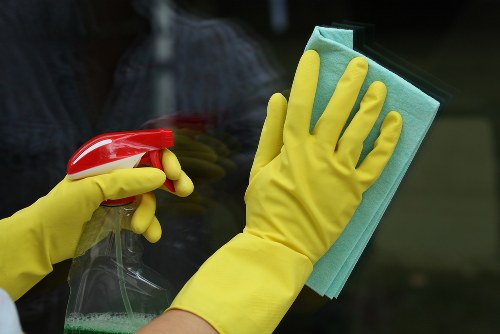 Why stain removal matters in SE1
SE1 is a mixed, fast-moving part of London, and that means surfaces get used hard. Families with children, professionals working from home, short-let hosts, office managers, venue operators, and retailers all deal with stains at some point. A small mark can quickly become a bigger issue if it is left untreated, especially on porous materials such as fabric, carpet, grout, or natural stone. In many cases, immediate action can improve the result, but even older stains may respond well to professional treatment.
Local stain removal services are especially valuable where properties are shared or high-traffic. Communal hallways, office kitchens, meeting rooms, hospitality seating, and rental properties can all develop repeated problem areas. Instead of replacing a carpet or reupholstering furniture too early, targeted stain treatment can extend the life of your furnishings and flooring. That can be a practical option for landlords, property managers, business owners, and homeowners alike.
Another reason people in SE1 look for specialist help is presentation. In a central London setting, many homes and workplaces need to look good for guests, clients, tenants, or staff. A stain on a prominent area can make a room feel less cared for even when everything else is in order. Professional Stain Removal in SE1 helps restore a clean, fresh appearance and supports the overall condition of the property.
What kinds of stains can be treated?
Stains come from many everyday sources, and the best treatment depends on both the stain and the surface. A good local service should assess the material first and choose the right method rather than rushing in. Common examples include food, drink, and household marks, but there are also more stubborn problems that need specialist care.
Typical stain types include:
- Coffee, tea, and soft drinks
- Red wine and other alcohol spills
- Food grease, sauces, and condiments
- Mud, soil, and outdoor dirt
- Ink, pen marks, and dye transfer
- Pet accidents and related odours
- Cosmetic products and body oils
- Rust, water marks, and mineral deposits
- Paint splashes and construction residue
- General traffic marks and embedded grime
Some of these may be obvious, while others are slow to appear. For example, a spill might dry into the fibres, or a cleaning attempt may leave a ring that is more noticeable than the original mark. In other cases, stains may be hidden under furniture and only become visible when a room is rearranged. Whatever the source, stain treatment should be matched to the exact situation.
 Services for carpets, upholstery, and hard surfaces
Many customers think of stain removal as something that only applies to carpets, but the reality is broader. In SE1 properties, marks can appear on all kinds of surfaces, and each one needs its own approach. Carpet fibres can trap liquids and dirt differently from upholstery fabric. Leather needs a gentler treatment than synthetic seating. Stone and tile may need targeted cleaning to avoid damage to grout or finishes.
A well-rounded local stain removal service may include carpet stain treatment, sofa and chair stain removal, rug spot treatment, mattress stain cleaning, and hard surface stain cleaning. For commercial properties, that can also extend to entrance mats, reception flooring, dining seating, breakout areas, and shared-use surfaces. The aim is to reduce the stain without causing wear, spreading the mark, or altering the texture or colour of the material.
Important: the best results often come from treating the stain as soon as possible, but even older marks can sometimes be improved significantly. If you are unsure whether the stain is removable, it is usually worth asking for an assessment rather than trying strong DIY chemicals that could set the mark or damage the fabric.
How local stain removal in SE1 typically works
Customers often want to know what happens when they book stain treatment. A straightforward process makes it easier to plan around family life, office hours, or building access. While each job is different, the service usually follows a few clear steps.
- Inspection: The stain, surface type, and condition of the area are assessed.
- Identification: The likely cause of the stain is considered so the right cleaning method can be selected.
- Pre-treatment: A suitable solution is applied carefully to loosen the mark.
- Targeted cleaning: The area is cleaned using an appropriate process for the material.
- Rinse or extract: Residue is removed where needed to reduce re-soiling.
- Final check: The result is reviewed and any remaining traces are addressed if possible.
For some jobs, dry compound methods are suitable; for others, controlled moisture or specialised spot treatment is better. The right approach depends on the fabric and the kind of stain involved. A careful technician will avoid over-wetting, over-brushing, or using the wrong chemicals. That is especially important for delicate rugs, wool carpets, velvet upholstery, or surfaces with protective finishes.
In commercial environments, the process may also need to be scheduled around customer traffic, deliveries, or office working patterns. In residential buildings, access might need to be arranged through a concierge or building manager. A local team familiar with SE1 can usually adapt more easily to those conditions.
 Why a local SE1 team is useful
There are practical reasons to choose a local provider for stain removal in SE1. Central London access can be challenging, particularly where parking is restricted, loading bays are limited, or buildings have time-sensitive entry requirements. A nearby team is more likely to plan efficiently, arrive prepared, and work with the realities of the area.
Local knowledge also matters because SE1 includes a wide mix of property types. A modern apartment near the river may have fitted carpets and large windows that show every mark in daylight. A converted building may have older flooring, original features, or delicate finishes. An office suite or hospitality space may use durable commercial materials but still need a high standard of presentation. The right stain removal approach should suit the building, not just the stain.
In short, local service is about convenience, care, and practical problem-solving. When you need prompt help, clear communication, and an understanding of the area, choosing someone who regularly works in SE1 can make the whole process smoother.
What is included in a stain removal appointment?
Customers often want to know what they are paying for. While every provider structures services differently, a professional stain treatment visit should generally include a proper assessment, the treatment itself, and guidance on the next steps if the mark is resistant or needs follow-up care.
Common inclusions are:
- Assessment of the stain and material
- Choice of suitable cleaning products and techniques
- Careful spot treatment of the affected area
- Extraction or residue removal where appropriate
- Advice on drying and aftercare
- Discussion of any remaining discolouration or wear
Depending on the situation, the service may also address surrounding areas if the stain has spread or if there is a visible tide mark. In some cases, the focus is not only on stain removal but also on restoring a more even appearance across the surface. That can be important for carpets, upholstery panels, or wall-to-wall flooring where a single patch would otherwise stand out.
Clear communication matters. Good customers in SE1 want to know what can realistically be improved, what may be left as a faint trace, and whether a larger clean is advisable to blend the treated area more effectively.
Residential stain removal
Homes in SE1 vary from compact flats to larger family properties, and each brings its own challenges. In smaller homes, a stain can be especially frustrating because the affected area is often part of a main living space. In larger homes, high-traffic routes such as hallways, stairs, and landing carpets can wear differently from quieter rooms.
Residential customers often request help with:
- Living room carpets and rugs
- Dining chair upholstery
- Sofa arms and seat cushions
- Bedroom carpet marks
- Mattress spot treatment
- Kitchen-diner spills
- Pet-related stains and odours
For families, convenience is often just as important as the result. A local stain removal service that can work around school runs, home working, or shared flat schedules is usually a better fit than a rigid, one-size-fits-all approach.
 Commercial stain removal for SE1 businesses
SE1 is home to many commercial premises that need to look clean and professional day after day. Offices, cafes, bars, restaurants, hotels, studios, retailers, and shared workspaces all face regular staining risks. In these settings, one visible spill can affect first impressions, staff morale, and the general feel of the space.
Commercial stain removal often needs to be planned carefully. Work may need to happen outside opening hours, before a meeting schedule starts, or during a quiet period. The surfaces themselves may also be more heavily used than those in a private home, which means stains can become deeply embedded. Local teams can often work with building managers, facilities staff, and tenant expectations more easily than a provider unfamiliar with the area.
For businesses, prompt treatment can also help reduce longer-term replacement costs. A stained reception carpet or marked seating area may still be recoverable if treated in time. That is why many companies look for stain removal in SE1 as a practical maintenance service rather than a last resort.
Preparation checklist before your appointment
A little preparation can help the service go smoothly and may improve the outcome. You do not usually need to do much, but a few simple steps can make access and treatment easier.
- Tell the provider what caused the stain if you know it.
- Avoid scrubbing the area, as this can push the stain deeper.
- Do not apply random household chemicals before the visit.
- Move small items away from the affected area if possible.
- Make sure the team can access water and power if needed.
- Arrange entry, concierge access, or parking instructions in advance.
- Keep pets and children away from the work area during treatment and drying.
If the stain is fresh, it can help to blot gently with a clean cloth rather than rub. However, if you are unsure, it is often better to leave the stain alone and let a professional assess it. Incorrect DIY treatment can set the mark, spread it, or damage the surface finish.
Good preparation is not about doing the job yourself; it is about giving the technician the best chance to achieve a neat result.
Pricing factors to expect
Customers naturally want an idea of cost before they commit, but stain removal is usually priced according to several factors rather than a single fixed figure. That is because no two stains are quite the same. The type of stain, the size of the area, the material involved, and the level of difficulty all influence the work required.
Typical pricing factors include:
- Type of stain and how long it has been there
- Whether the surface is carpet, upholstery, rug, leather, tile, or stone
- How large the treated area is
- Whether the stain is isolated or part of a broader cleaning need
- Access conditions, parking, and building entry constraints
- Any specialist products or techniques needed
It is usually sensible to request a quote based on your specific situation rather than assuming every stain is similar. A trustworthy provider will explain what is being treated and why, so you can make an informed decision. If the mark looks severe, asking early is often better than waiting until it becomes more difficult to address.
 Areas covered across SE1
SE1 includes a number of busy and well-known neighbourhoods, each with its own property mix and access challenges. Stain treatment demand can be found across residential blocks, riverside developments, office suites, retail spaces, and hospitality venues throughout the area. Nearby locations often served include:
- Bankside
- Borough
- Waterloo
- Southwark
- London Bridge
- Blackfriars and nearby central London pockets
Whether your property is close to transport hubs, on a busy street, tucked inside a managed development, or part of a mixed-use building, a local team can adapt to the layout and access arrangements. This is especially useful where vehicle access is restricted, lifts are shared, or loading windows are limited.
For landlords, agents, and property managers, the local coverage across SE1 can also support quicker turnaround on end-of-tenancy issues, pre-lets, void period refreshes, and reactive maintenance when a stain threatens to delay handover.
Why choose professional stain treatment instead of DIY?
Many people try a quick household fix first, which is understandable. The problem is that stains are often more complex than they look. Over-the-counter products may be too harsh, too weak, or unsuitable for the surface. Some products create halos, fade colours unevenly, or leave sticky residue that attracts dirt later.
Professional treatment can be a better option because it is based on:
- Material awareness
- Stain identification
- Controlled application
- Appropriate drying and extraction methods
- Reduced risk of fibre damage or discolouration
Another advantage is time. Rather than experimenting with different products, customers can have the stain assessed by someone with experience in fabric care and surface cleaning. That is often the most efficient path when a mark is in a visible area, on a valuable item, or in a property that needs to look professional quickly.
How to decide whether you need stain removal or a deeper clean
Sometimes a stain is an isolated issue. Other times, it is a symptom of broader soil build-up. For example, a single spill on a carpet may be removable on its own, but a room with faded traffic lanes, general dullness, and several older marks may benefit from a broader cleaning approach. The same is true for upholstery that has both a local stain and overall body oil build-up.
If the rest of the surface still looks fresh, a targeted stain treatment may be enough. If the surrounding area looks worn, a full clean can help the treated patch blend in more naturally. A good provider should discuss both options and help you choose the most sensible one for your property and budget.
Ask for a practical recommendation, not just a quick fix. The best service is the one that suits your actual needs.
Frequently asked questions
Can all stains be removed completely?
Not always. Many stains can be improved dramatically, and some can be removed fully, but results depend on the type of stain, the surface, and how long the mark has been present. Very old stains, dye transfer, or damage to the material may leave slight traces.
Is stain removal safe for delicate fabrics?
It can be, provided the right products and techniques are used. Delicate fabrics need careful treatment, so it is important to avoid harsh DIY products and let the surface be assessed properly first.
How soon should I deal with a spill?
As soon as possible. Fresh spills are usually easier to treat, but even if time has passed, it is still worth arranging an assessment. Do not rub the stain aggressively while waiting.
Can you treat both homes and businesses in SE1?
Yes. Stain removal services in SE1 are often suitable for residential flats, family homes, offices, retail units, hospitality venues, and managed buildings. The approach may change depending on the setting, but the aim is the same: restore the surface neatly and safely.
Do I need to move furniture first?
Sometimes a little rearranging helps, but it depends on the item and the affected area. Small moveable items are best removed in advance where possible. If larger furniture blocks access, discuss it when arranging the service.
Will the area need a long drying time?
Drying time varies according to the treatment used, the material, and ventilation in the property. Your technician should explain what to expect and how to help the area dry properly.
Getting started with stain removal in SE1
If you are dealing with a visible spill, a stubborn mark, or a stained piece of furniture, it makes sense to act sooner rather than later. Professional Stain Removal in SE1 can help protect your flooring and furnishings, improve the appearance of your space, and save you the stress of trying the wrong fix. Whether you are a homeowner, tenant, landlord, facilities manager, or business owner, a local service gives you a practical way forward.
For best results, share as much detail as you can about the stain, the material, and how long the mark has been there. If possible, mention access details for your property, including parking, concierge arrangements, lift use, or restricted entry times. That helps the service run smoothly and allows the right approach to be prepared in advance.
Contact us today to discuss your stain problem, request a free quote, or book your service now. If you need a careful, local solution in SE1, professional help is available to make the process easier from start to finish.