Health and Safety Policy for Cleaners SE1
 Our health and safety policy for cleaners SE1 sets out a clear approach to protecting staff, clients, and anyone affected by cleaning activities. It applies to routine domestic cleaning, commercial cleaning, and specialist tasks carried out by a cleaning team in SE1. The aim is simple: reduce risk, promote safe working habits, and maintain a clean environment without compromising wellbeing. This policy is based on practical controls, common sense, and consistent safe practice.
Every cleaner is expected to work with care, follow agreed procedures, and use equipment properly. Managers and supervisors must make sure that risks are identified before work begins and that control measures remain effective throughout the job. A safe cleaning service depends on preparation, communication, and regular monitoring. Health and safety is not treated as a separate task; it is part of how every cleaning activity is planned and completed.
 We recognise that cleaning work can involve manual handling, slips and trips, exposure to chemicals, sharp objects, electrical equipment, and contamination risks. For that reason, our cleaners SE1 health and safety policy requires suitable training, proper supervision, and access to appropriate protective equipment. All staff must understand their responsibilities and know when to stop work if conditions become unsafe. No task should continue if it presents a risk that has not been controlled.
Risk assessment is central to this policy. Before starting work, the cleaning supervisor should consider the environment, the surfaces to be cleaned, the products being used, and the condition of the area. Where necessary, hazards must be isolated, signs displayed, and access limited. A SE1 cleaners safety policy should always reflect the actual site conditions rather than relying on assumptions.
All cleaning products must be stored, handled, and used according to manufacturer instructions. Chemical containers must be clearly labelled, and cleaners must never mix products unless this is specifically permitted. Staff should use gloves, aprons, masks, or eye protection when required by the task. In line with good cleaning health and safety practice, harmful substances must be kept away from food areas and stored securely after use.
Cleaning equipment must be maintained in safe working order. Vacuum cleaners, mops, extension leads, and other tools should be inspected regularly and removed from service if damaged. Electrical items should be used carefully and kept away from water unless they are designed for such conditions. 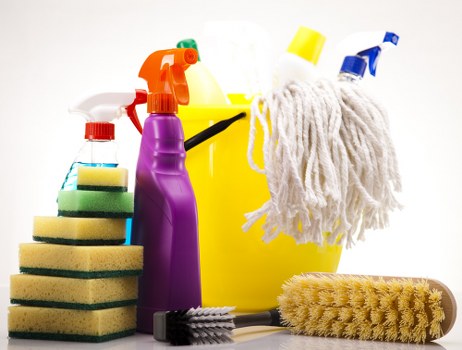 A reliable SE1 cleaning health policy also includes safe lifting techniques, tidy storage of supplies, and prompt removal of waste to prevent obstructions and accidents.
Training is a key part of safe working. All staff should receive instruction on hazard awareness, correct product use, emergency procedures, hygiene standards, and the reporting of incidents. Supervisors should refresh training when duties change or new equipment is introduced. A strong health and safety policy for cleaners is supported by ongoing communication, clear instruction, and routine checks on performance.
Personal protective equipment must be selected for the task and worn correctly. Gloves may be needed for chemical handling, face coverings for dusty work, and non-slip footwear where floors are wet or recently cleaned. PPE should be clean, fit for purpose, and replaced when worn or damaged. Workers must also understand that PPE is a last line of protection and does not replace safe methods or careful planning.
Emergency procedures should be simple and well understood. Staff must know how to respond to spills, injuries, fire alarms, unsafe conditions, and accidental exposure to chemicals. First aid arrangements should be confirmed before work starts, and incidents must be reported promptly. 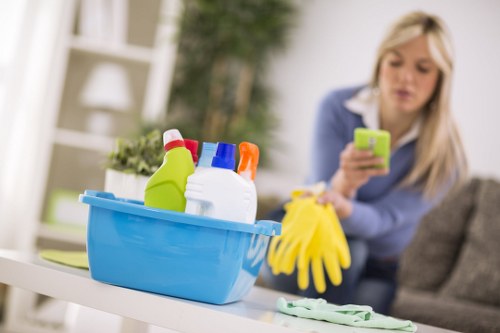 If a hazard cannot be controlled immediately, the area should be made safe and the relevant person informed without delay.
Hygiene standards are especially important for any cleaning service in SE1. Cleaners must wash hands regularly, avoid touching their face during work, and follow infection control measures where necessary. Cloths, mops, and reusable tools should be cleaned and dried properly after use. Waste must be handled safely and disposed of in accordance with site requirements. These steps reduce the spread of contamination and protect both workers and building users.
Supervision and accountability help keep standards high. Managers should review working practices, investigate near misses, and update procedures when new risks appear. A good cleaner safety policy encourages reporting without blame so that problems can be addressed early. Where repeated issues are identified, corrective action should be taken, and additional training provided if needed.
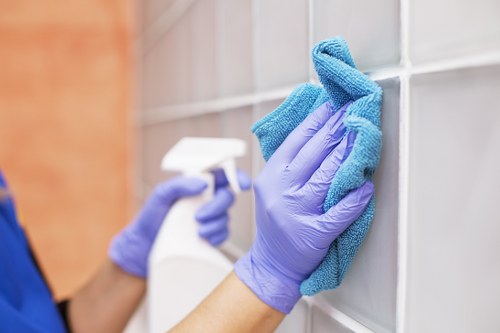 This policy is reviewed regularly to ensure it remains effective, proportionate, and suitable for the work being carried out. Changes in equipment, cleaning methods, staffing, or site conditions may require updates. By following this SE1 cleaners health and safety policy, we aim to maintain reliable standards, support staff wellbeing, and deliver cleaning work in a safe, responsible, and professional way.