Pet Stain Odour Removal in SE1: Local Help for Homes, Flats, Offices, and Pet-Friendly Spaces
If you live or work in SE1, you already know how varied the area is: period terraces, modern riverside apartments, busy family homes, short-let properties, offices, shops, and pet-friendly venues all sit side by side. That variety is part of what makes local living enjoyable, but it also means pet accidents can be harder to deal with than people expect. A stain on a rug is only part of the issue. The real challenge is usually the smell that lingers in carpets, upholstery, mattresses, underlay, or hard-to-reach flooring.
Pet stain odour removal in SE1 is about more than masking a smell with fragrance. It is a careful cleaning process designed to tackle the source of the problem, reduce the chance of repeat marking, and restore your room to a fresher, more comfortable condition. Whether the issue is a puppy accident in a new flat, a cat spray problem near a hallway, or an older stain that keeps resurfacing in humid weather, a professional local service can make a noticeable difference.
For customers across SE1, local knowledge matters. Access restrictions, narrow staircases, lift-only buildings, controlled parking zones, and shared entrances can all affect how a cleaning visit is planned. A nearby team can work around those practical realities, arrive prepared for the layout of your property, and focus on the surfaces and materials most commonly found in the area. If you are looking for a practical, discreet, and effective solution, contact us today to request a free quote and discuss the best treatment for your space.
Why Pet Stain Odour Removal Matters in SE1
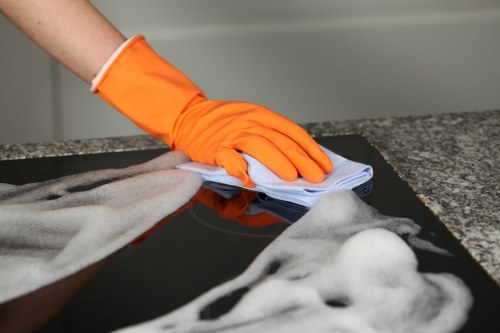
Pet accidents happen in every type of property, but in SE1 the impact can be especially frustrating because homes and workplaces are often compact, well-used, and layered with different finishes. A one-off incident on a carpet can seep into the backing, the underlay, or even the floor beneath if it is not dealt with properly. Once that happens, the smell can return long after the visible mark has been cleaned.
Many local customers first notice the issue when the room warms up, the heating is switched on, or the weather becomes humid. That is because moisture and trapped residue can reactivate odour particles. A surface wipe or household spray may seem to help for a short time, but it rarely reaches deep enough to solve the problem. Professional pet urine and stain treatment is designed to penetrate further and neutralise contamination rather than simply covering it up.
In a neighbourhood like SE1, where properties are often compact and people use every room daily, lingering smell can affect comfort quickly. It may make a living room less inviting, a bedroom harder to use, or a rental property less appealing between tenancies. It can also create stress for pet owners who want to keep their home clean without removing the animal from the household routine. That is why a focused, local treatment is such a practical option.
Common situations we deal with
- Dog urine on carpet edges, rugs, or stair runners
- Cat spray in hallways, corners, and behind furniture
- Accidents on mattresses, upholstered sofas, and dining chairs
- Odour in rental properties after tenant move-out
- Repeated marking in the same spot
- Stale smells trapped in underlay or soft furnishings
What Pet Stain Odour Removal in SE1 Can Include

A proper treatment plan depends on the type of stain, the material involved, and how long the problem has been present. The aim is not simply to clean the visible mark; it is to deal with the source of the odour and any contamination that may have spread beyond the surface. For many SE1 customers, that means combining inspection, targeted cleaning, and odour reduction steps suited to the room and the fabric.
In some cases, a carpet can be treated in place with a specialist pre-treatment, agitation, and hot water extraction or low-moisture method, depending on the fibre and condition. In other cases, upholstery, mattress fabric, or a delicate rug may need a different approach. If the stain has soaked through to the underlay, a more detailed treatment may be recommended. The right method depends on what is actually affected, not on a one-size-fits-all assumption.
Professional pet stain and smell removal often focuses on these areas:
- Inspection and assessment to identify the source, extent, and affected materials.
- Targeted stain treatment to break down residues linked to urine or organic contamination.
- Odour neutralisation to reduce lingering smells rather than masking them.
- Deep cleaning of carpets, rugs, upholstery, or mattresses where appropriate.
- Drying and aftercare advice so the area is ready for normal use as soon as practical.
For customers with pets at home, this approach is especially useful because it can help reduce the chance of the smell attracting the pet back to the same location. For landlords, letting agents, and tenants preparing a property for changeover, it can also support a cleaner presentation for the next occupants.
Important note for local customers
Not every stain can be treated the same way. Natural fibre carpets, antique rugs, leather, velvet, wool blends, and memory foam mattresses may all need different care. That is why a local service that can assess the item on site is so helpful in SE1.
Why a Local SE1 Team Is Useful

SE1 is a busy part of London, and local practicalities can affect any cleaning appointment. Buildings near the South Bank, around Borough, Waterloo, London Bridge, Bankside, and the riverside often have tighter access and more shared areas than people expect. That can make it important to work with a team that understands the realities of local property layouts and can plan the visit accordingly.
Many homes in the area are apartments, converted buildings, warehouse-style spaces, or managed rental units. These property types often contain fitted carpets, hallway runners, sofa beds, upholstered dining chairs, and mixed flooring, which can all hold onto pet odour differently. A nearby service can adapt the treatment to those conditions and avoid unnecessary disruption.
There are also very practical issues such as parking, loading, lift access, concierge arrangements, and time restrictions in communal buildings. A local provider is more likely to arrive ready for these challenges, helping the visit run smoothly. For busy residents and business owners, that means less disruption and a clearer path to getting the problem sorted.
Who typically needs this service in SE1?
- Pet owners in flats and maisonettes
- Families with young children and indoor pets
- Tenants needing to tidy up before the end of a tenancy
- Landlords and managing agents handling move-out cleaning
- Short-let and serviced accommodation hosts
- Offices with pet-friendly policies
- Retail and hospitality businesses with soft furnishings
If you need an experienced local team that understands these settings, book your service now or request a free quote and explain the type of stain, the room involved, and the material affected.
How the Service Works

The process for pet stain odour removal in SE1 should be straightforward for the customer while still being thorough behind the scenes. A good service begins by understanding the affected area and the history of the problem. Was it a single accident, or a repeated marking issue? Is the smell strongest on the surface, or does it seem deeper in the carpet or furniture? These details shape the treatment plan.
After the initial assessment, the technician will usually identify the most suitable cleaning method. This may involve applying a specialist solution designed to break down organic residues, allowing time for dwell time, and then extracting contamination from the fibres. For upholstery and mattresses, the approach must be gentle but effective, especially if the item is sensitive to excess moisture. In some cases, odour treatment may be combined with deodorising techniques that are safe for the material and appropriate for the room.
Once the treatment is complete, the area is checked again. If the problem has spread into a base layer, subfloor, or hidden corner, the customer should be told clearly what was found and whether any additional step is advisable. Transparency matters because it helps you make an informed decision about next steps, especially if you are dealing with a recurring smell rather than a simple one-off stain.
Typical visit flow
- Initial discussion of the issue and property type.
- On-site inspection of carpets, rugs, upholstery, or mattresses.
- Selection of the right stain and odour treatment method.
- Cleaning and targeted odour reduction.
- Final check and aftercare advice for drying and maintenance.
This kind of clear process helps SE1 customers know what to expect and makes it easier to choose a service that suits both the property and the schedule.
What Affects the Price of Pet Stain and Odour Removal?

Customers often ask what influences the cost of pet stain odour removal in SE1. While exact prices depend on the job, several practical factors usually shape the quote. Understanding these helps you compare services fairly and decide what level of treatment is needed.
The first factor is the size of the affected area. A small stain in one corner of a bedroom is very different from repeated accidents across a hallway, landing, and stair carpet. The second factor is the type of material. Some fibres respond well to targeted cleaning, while others need more careful handling. The third is depth: if the smell is only in the top fibres, the work may be simpler than if it has reached the underlay or upholstery padding.
Other considerations may include the age of the stain, whether there have been previous cleaning attempts, and how accessible the area is. In SE1, access can be a real issue because of upper-floor flats, limited parking, shared corridors, and security procedures in some buildings. Those details can affect the time needed to complete the work properly.
Common pricing factors
- Number of rooms or items affected
- Type of flooring or fabric
- Severity and age of the stain
- Whether odour has reached underlay or padding
- Property access and parking conditions
- Need for follow-up or additional treatments
When you request a quote, it helps to describe the problem clearly. Mention the room, the surface, whether the pet stain is fresh or old, and whether the smell gets worse in warm weather. That information allows the team to suggest the most suitable approach without unnecessary delay.
Before you book
Ask what is included in the treatment, whether the service is suitable for your specific material, and how drying may affect room use. Good communication before the visit can save time on the day and help you feel confident about the process.
Preparation Checklist for SE1 Customers
Preparing in advance makes the appointment smoother and can help the technician get to the problem area quickly. You do not need to move everything, but a little preparation can make a real difference, especially in smaller SE1 flats where every square foot matters.
If possible, try to identify the exact stain location before the visit. This is particularly important when pet odour seems to travel or when the same area has been cleaned before without success. If there are multiple stains, make a quick note of them so nothing is missed during inspection.
Here is a simple checklist that many local customers find useful:
- Clear small personal items from the affected room
- Move lightweight furniture if you can do so safely
- Keep pets in a separate area during the visit
- Ensure access to water, electricity, and the affected room
- Point out any previous treatments or DIY products used
- Share any concerns about delicate fabrics or floor finishes
Helpful preparation tips for flats and shared buildings
In apartment buildings, it can help to let the cleaner know about lift access, entry procedures, or restrictions on carrying equipment through communal areas. If parking is limited, mention this when arranging the visit so time can be planned properly. These small steps can make the whole process easier and reduce delays.
Tip: If the stain has been treated with household chemicals already, mention this upfront. Some products can affect how professional cleaning solutions work, so it is best to be honest about what has been used.
Why This Service Is Valuable for Rental Properties and Lettings in SE1
SE1 has a strong mix of private rentals, managed apartments, serviced accommodation, and short-term lets. In these settings, pet stains and persistent odours can be especially disruptive because they may affect turnover times, presentation, and the comfort of future occupants. A quick surface clean is rarely enough when odour has entered carpet fibres or soft furnishings.
For landlords and letting agents, the goal is to restore the property to a fresh, neutral condition without causing unnecessary wear to the materials. For tenants, the goal may be to leave the home in good order before inspection or handover. In both cases, a targeted cleaning service is preferable to trying to mask the smell with air fresheners or repeated home cleaning attempts.
Professional pet odour treatment can be particularly useful in hallways, reception rooms, bedrooms, and upholstered furniture that has absorbed repeated use. In a compact SE1 property, one affected item can change the feel of the whole place. Addressing the source can make the room more comfortable and easier to present well.
Benefits for landlords, tenants, and agents
- Improves presentation before inspection or move-in
- Targets smells that can linger after standard cleaning
- Helps protect carpets, rugs, and furnishings from further deterioration
- Supports a more straightforward handover between occupants
- Reduces the need for repeated cleaning attempts
Residential and Commercial Pet Odour Solutions
Although many customers look for pet stain odour removal in SE1 for their homes, the service is also relevant to commercial spaces. Some workplaces, clinics, showrooms, pet-friendly offices, and hospitality settings have carpets or upholstered seating that may need attention after an accident. In these environments, discretion and efficiency are often just as important as cleaning performance.
Commercial customers tend to value flexibility, because appointments may need to fit around opening hours or staff schedules. Residential customers, on the other hand, often want the work completed with as little disruption as possible, especially when pets, children, or home working are involved. A local provider can usually adapt the appointment to match the setting.
In both cases, the same principles apply: identify the source, choose a suitable treatment, and aim for a clean result that feels fresh and comfortable rather than overly perfumed. That is particularly important for sensitive spaces where strong fragrance is not welcome.
Suitable for many surfaces
This service can often be used for carpets, area rugs, upholstery, mattresses, and some fabric-covered seating. If you are unsure whether your item is suitable, ask before booking so the right method can be chosen from the start.
Areas Covered Across and Around SE1
Because SE1 includes a mix of residential blocks, business addresses, and busy riverside neighbourhoods, a local service needs to be comfortable working across different parts of the district. Customers often contact us from locations near Waterloo, Borough, Southwark, Bankside, London Bridge, the South Bank, and surrounding streets where access conditions vary from one building to the next.
We also work with customers in nearby parts of central and south-east London where people commute through SE1 regularly or live close to the boundary. The key advantage of using a local team is simple: it can reduce waiting time, improve scheduling flexibility, and make it easier to plan for local building access rules.
Whether your property is a modern riverside apartment, a converted townhouse, a shared rental flat, or a mixed-use commercial unit, the same careful approach applies. The goal is always to identify the cause of the smell and treat it properly so your space feels clean again.
Local settings where pet stain treatment is often requested
- Riverside apartments and tower blocks
- Converted period properties
- Shared flats and maisonettes
- Family homes close to local transport routes
- Office spaces with soft furnishings
- Short-let and serviced accommodation
Frequently Asked Questions
Below are some of the questions SE1 customers often ask before booking pet stain odour removal. If your situation is unusual, it is always worth describing it in detail so the most suitable treatment can be recommended.
Can the smell be removed completely?
That depends on how deep the contamination has gone, what material is affected, and whether any previous cleaning has altered the stain. In many cases, targeted treatment makes a major difference. If the odour has reached underlay, padding, or subfloor layers, additional steps may be needed.
Will the cleaning damage my carpet or sofa?
Professional treatment is chosen based on the material and condition of the item. Delicate fabrics, wool carpets, and some upholstered items need a more careful approach. A proper inspection helps reduce the risk of damage and makes the process safer for your furnishings.
How long does it take to dry?
Drying times vary depending on the fabric, the cleaning method used, room temperature, and ventilation. Some items dry faster than others, and aftercare advice is usually given so you know when normal use can resume.
What if my pet keeps returning to the same spot?
Repeated marking can happen when odour residue remains in the fibres. Thorough pet stain odour removal may help reduce this by targeting the source rather than just the visible mark. It can also be helpful to discuss any behavioural triggers with a vet or pet behaviour professional if the problem continues.
Can you help if I only notice the smell and cannot see the stain?
Yes. In many SE1 homes, the stain is hidden under furniture, along edges, or in a less visible section of carpet. A careful inspection can often identify the source even when the mark is not obvious.
Do you work in flats and buildings with access restrictions?
Yes, local teams are often used to working in buildings with lifts, entry systems, concierge desks, and parking limitations. It is helpful to mention these details when arranging the appointment so the visit can be planned properly.
What should I do if I have already used store-bought cleaning products?
Tell the technician which products were used and where. Some sprays and powders can leave residues that affect treatment choices. Honest information helps achieve a better result.
Choosing the Right Local Service
When you are comparing services for pet stain odour removal in SE1, look for clear communication, practical experience, and an approach that suits your property. You want someone who can explain the method, discuss the likely outcome, and be realistic about what the treatment can achieve. Avoid any service that promises too much before seeing the stain or smelling the affected area in person.
A good local provider should make it easy to ask questions, explain what is included, and offer sensible advice on preparation and aftercare. That is especially useful if you are dealing with a rental handover, a busy family routine, or a commercial environment where the room needs to be usable again quickly.
Contact us today to request a free quote, share the details of your stain or odour issue, and arrange a visit that fits your property and schedule. If you want a cleaner, fresher room without unnecessary disruption, a local SE1 service is the practical choice.
Final thought
Pet accidents do not have to leave a lasting smell in your home or business. With the right local treatment, careful assessment, and a service that understands SE1 properties, you can take a straightforward step toward a fresher space and a more comfortable day-to-day environment.
Ready to take the next step?
Request a free quote or book your service now if you are ready to deal with lingering pet stains and odours in SE1. A prompt response can help prevent the issue from spreading further and make the room easier to enjoy again.