Newington Causeway end of tenancy cleaning what to know
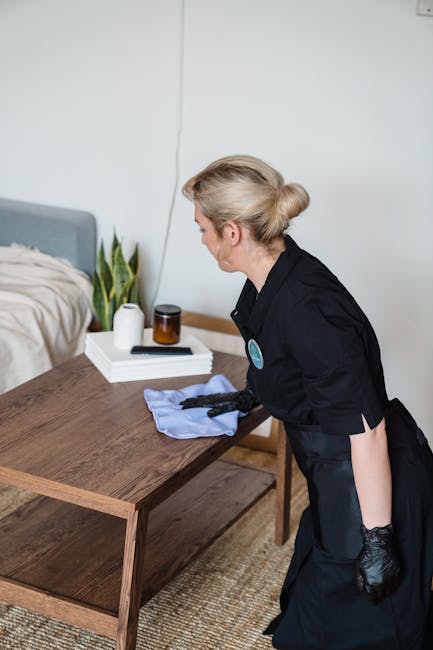
If you are moving out around Newington Causeway, you have probably already discovered that end of tenancy cleaning is rarely just "a quick tidy-up". It is one of those jobs that looks smaller than it really is, then suddenly takes over your evening, your weekend, and half the kitchen. This guide on Newington Causeway end of tenancy cleaning what to know breaks it down in plain English: what landlords and letting agents usually expect, how the process works, what matters most, and where tenants often trip up. Whether you are leaving a flat near the Elephant and Castle end of the road or a busy shared property a little further along, the goal is the same - hand back the place in a condition that avoids last-minute arguments and messy deductions.
Truth be told, the difference between a smooth check-out and a stressful one usually comes down to planning. A proper end of tenancy clean is part preparation, part detail work, and part common sense. Let's get into it.
Why Newington Causeway end of tenancy cleaning what to know Matters
End of tenancy cleaning is not just about making a flat look nice. It is about returning the property in a condition that is close to how it was at the start of the tenancy, allowing for fair wear and tear. That distinction matters. A light clean that works for your own home will often fall short when a tenancy is ending, especially if the check-out report is detailed or the property has had a lot of use.
On Newington Causeway, where properties can range from compact modern flats to older converted spaces, the expectations can vary a bit. But the basic principle stays the same: the cleaner the handover, the lower the chance of disputes. Smudged kitchen cupboards, dusty skirting boards, limescale in the bathroom, greasy extractor fans - these are the sorts of things that can be noticed quickly during an inspection. And yes, they can become deduction points if they are left behind.
There is also the practical side. Moving is hectic enough without trying to deep-clean after you have already packed half your life into boxes. A focused end of tenancy clean helps you finish on time and reduces the chance of rushing the final day with a sponge in one hand and a removal van turning up outside. Not ideal.
Expert summary: the best end of tenancy cleaning is less about "making it look presentable" and more about covering all the details that a landlord, inventory clerk, or letting agent will actually check.
How Newington Causeway end of tenancy cleaning what to know Works
In practice, end of tenancy cleaning is a top-to-bottom reset of the property. It usually goes beyond surface cleaning and includes the areas that collect grease, dust, and grime over time. Think inside cupboards, behind appliances, around taps, on doors, light switches, and other places that are easy to forget when you are living somewhere day to day.
The process normally begins with a walkthrough. That is the sensible part, even if you are doing it yourself. You check what needs attention, note any damage that is not cleaning-related, and compare the property against the inventory or check-in report if you have one. Then you work room by room, starting with the areas that take the most time, like the kitchen and bathroom.
Professional cleaners typically follow a structured approach:
- remove loose dust and debris first
- clean from top to bottom so dirt does not fall onto already cleaned surfaces
- use appropriate products for different materials
- pay extra attention to high-contact surfaces
- finish with a final detail check before handover
If you are doing it yourself, the order matters more than people think. Clean a dusty shelf after mopping and you may have just created extra work. A bit annoying, but very real.
In a typical Newington Causeway flat, the kitchen and bathroom usually need the most time. Grease around the oven, soap residue on glass, and hard-water marks on taps can build up quietly and then suddenly look very obvious under bright daylight. That 3pm light through a window can be surprisingly unforgiving.
Key Benefits and Practical Advantages
The obvious benefit is a cleaner handover, but there is more to it than that. A proper end of tenancy clean can save time, reduce stress, and help protect your deposit. It also gives you a chance to spot issues that might otherwise be overlooked, such as a leaking seal, a damaged drawer runner, or marks that need to be dealt with separately.
Here are the main advantages in practical terms:
- Better chance of deposit return: a property cleaned to a good standard is less likely to trigger disputes over cleanliness.
- Less last-minute panic: you are not trying to clean while movers are carrying boxes past you.
- Cleaner inventory comparison: the condition at check-out is easier to compare with the check-in record.
- Stronger impression: a tidy handover helps the move-out process feel more professional, even if the tenancy itself was a bit messy near the end.
- Time savings: a focused plan is usually faster than trying to clean randomly room by room without order.
There is also a quieter benefit that people often overlook: peace of mind. Knowing you have done the job properly means you can walk away from the property without that nagging "did I miss something?" feeling. To be fair, that feeling can stick around for days if you do not leave things in order.
Who This Is For and When It Makes Sense
This topic matters for a few different people. Tenants moving out of a rented home need it most, of course. But landlords, managing agents, and even incoming tenants can benefit from understanding what a proper end of tenancy clean involves.
It makes particular sense if you are:
- leaving a rented flat or house on Newington Causeway
- sharing a property and need to divide cleaning tasks fairly
- moving out after a long tenancy where normal wear has added up
- trying to secure a smooth inventory sign-off
- dealing with tight move-out timing and limited cleaning equipment
It also makes sense if the property has specific cleaning challenges. For example, a kitchen with heavy cooking use, a bathroom with limescale, carpets that have picked up traffic marks, or upholstery that has absorbed everyday living. In those cases, a standard domestic clean usually is not enough. You need something closer to a deep clean or a move-out clean.
Some tenants choose to do it themselves, and that can work well in smaller properties if they are organised. Others bring in help because the place is too large, too busy, or too far gone for a one-person weekend effort. No shame in that. Sometimes the sensible choice is simply the sensible choice.
Step-by-Step Guidance
If you want a cleaner, calmer move-out, follow a method rather than attacking the property in random bursts. Here is a sensible way to handle it.
- Read your tenancy documents first. Look at the cleaning clause, check-in inventory, and any notes about professional cleaning expectations. Do not assume - read the wording.
- Take photos before you start. This gives you a record of the property's condition and helps separate cleaning issues from damage or pre-existing marks.
- Declutter completely. Remove rubbish, food, toiletries, hangers, and forgotten items from cupboards, shelves, and drawers.
- Start with the kitchen. Clean the oven, hob, extractor, fridge, cupboards, splashbacks, sink, and worktops. Kitchens usually take the longest, so do them early.
- Move to bathrooms. Tackle limescale, soap scum, mirrors, taps, grout lines, toilets, and shower screens. A bathroom should feel fresh, not just wiped over.
- Handle bedrooms and living areas. Dust skirting boards, clean windows internally, wipe switches, and vacuum thoroughly. Don't ignore the tops of wardrobes or door frames.
- Deal with floors properly. Vacuum carpets, mop hard floors, and spot-clean marks where possible. If carpets are heavily marked, specialised carpet cleaning may be worth considering.
- Check overlooked areas. Inside bins, behind radiators, under beds, around plug sockets, and along the edges of rooms.
- Do a final light-and-angle check. Look at surfaces from different angles and in daylight. Hidden marks often show up only then.
- Revisit the checklist. A final pass catches the little things: smears on glass, dust in corners, streaks on chrome, fingerprints on switches.
One useful tip: if you are doing the clean over multiple evenings, do the difficult rooms first. People often leave the oven until the end. That is backwards. By the time you get to the oven, you are tired and the task seems twice as annoying as it actually is.
Expert Tips for Better Results
In our experience, the difference between "clean" and "properly move-out clean" is all in the details. A few small habits make a big difference.
Use the right product for the surface. Chrome taps, painted wood, stone worktops, glass shower screens, and laminate surfaces all need slightly different handling. If you use one harsh cleaner everywhere, you may save time and create a different problem.
Work methodically. Clean one room fully before starting another, or use a top-to-bottom house order if the property is large. Random cleaning feels productive, but it often misses stuff.
Open cupboards and drawers. A lot of people wipe the outside and forget the inside. Let's face it, that is exactly where inventory checks love to look.
Pay attention to smell as well as appearance. A property can look spotless and still smell of cooking, damp cloths, or bins that were left too long. Fresh air, proper waste removal, and clean soft furnishings help more than perfume ever will.
Keep a few spare microfibre cloths. Once one cloth gets dirty, it stops helping and starts spreading grime around. That is one of those tiny household truths nobody tells you until you have already made the mistake.
Leave enough drying time. If you mop floors too late, you risk footprints or streaks. If you clean shower glass at the last minute, it may still be wet when the inventory clerk arrives. Time matters more than people think.
And one more thing: if you hire a service, make sure it is clear whether they are handling the oven, fridge, carpets, or windows. These details are easy to assume, then suddenly you are standing there saying, "Wait, I thought that was included?" Not fun.
Common Mistakes to Avoid
Most cleaning disputes are not caused by massive failures. They come from small oversights repeated across a property. Here are the common ones worth avoiding.
- Leaving cleaning until moving day. That almost always creates rushed work and missed spots.
- Forgetting inside appliances. The fridge, oven, microwave, and dishwasher can be the difference between an acceptable clean and a poor one.
- Ignoring limescale. Bathroom taps and shower screens can look worse than you expect if mineral deposits are left behind.
- Skipping doors, handles, and switches. They collect fingerprints and grime fast.
- Not checking behind furniture. Dust and crumbs gather there quietly.
- Using the wrong chemicals. Harsh products can damage finishes, especially on delicate surfaces or older fittings.
- Assuming "vacuumed" means "clean enough". Vacuuming is useful, but it is only one piece of the job.
- Forgetting utility areas. Hallways, storage cupboards, and entry points are often checked too.
A lot of the trouble comes from underestimating the scale. People look around and think, "It's only a small flat." Then they start cleaning skirting boards and oven trays and, well, the afternoon disappears. Quickly.
Tools, Resources and Recommendations
You do not need a mountain of equipment, but having the right basics helps a great deal. A well-stocked cleaning kit makes the job much smoother and reduces the temptation to cut corners.
Useful tools and supplies usually include:
- microfibre cloths
- vacuum cleaner with attachments
- mop and bucket
- non-scratch sponges
- glass cleaner
- bathroom cleaner suitable for limescale
- degreaser for kitchen surfaces
- rubber gloves
- dustpan and brush
- bin bags for waste removal
For larger jobs, some people also use specialist services such as end of tenancy cleaning, deep cleaning, or oven cleaning where the condition of the property calls for more than a standard tidy-up. If carpets are the main issue, carpet cleaning or steam carpet cleaning may be the more practical route. For upholstery that has picked up everyday wear, upholstery cleaning can be a sensible add-on.
If you are unsure whether to clean a surface yourself or bring in help, think about risk. If a product could stain, scratch, or warp something, step back and check first. That little pause can save a lot of bother later.
Law, Compliance, Standards, or Best Practice
Tenancy cleaning in the UK is usually guided more by tenancy agreements, inventory records, and the idea of fair wear and tear than by a separate "cleaning law" with fixed national rules. That means the tenancy contract matters a lot. The wording around professional cleaning, return condition, and deductions should always be read carefully.
Good practice generally includes:
- returning the property in a reasonable clean condition
- distinguishing cleaning issues from damage or normal wear
- keeping records and photos before and after cleaning
- checking what the tenancy agreement actually requires
- using insured and safety-aware cleaners when hiring outside help
If you use a professional service, it is sensible to check that they are transparent about pricing, process, and what is included. That is where pages like pricing and quotes, insurance and safety, and terms and conditions become useful. They help you understand the practical side before anyone steps through the door with a trolley full of products.
Best practice also means being realistic. A property can be cleaned very thoroughly and still have marks from age, use, or previous damage. Not every mark is a cleaning issue. That distinction is important and, to be fair, it stops a lot of unnecessary back-and-forth at check-out.
Options, Methods, or Comparison Table
There is no single right way to handle a move-out clean. The best method depends on the size of the property, how much time you have, and how much of the cleaning load you want to carry yourself.
| Option | Best for | Pros | Watch-outs |
|---|---|---|---|
| DIY end of tenancy clean | Smaller properties, organised tenants, flexible timing | Lower direct cost, full control, useful if the property is lightly used | Time-heavy, easy to miss details, can be physically exhausting |
| Partial professional help | Homes needing help with the hardest tasks | Targets oven, carpets, or bathrooms without outsourcing everything | Coordination needed, the rest still depends on you |
| Full professional end of tenancy clean | Busy moves, larger homes, higher expectations, tight deadlines | Structured, efficient, and usually more thorough for move-out standards | Upfront cost, must confirm exactly what is included |
If you are deciding between the options, ask yourself a simple question: do you want to save money, save time, or reduce stress? Usually you can optimise for two of those, not all three. That's life, inconveniently enough.
Case Study or Real-World Example
Picture a tenant leaving a one-bedroom flat near Newington Causeway after a two-year tenancy. The place is tidy overall, but the kitchen has the usual story: grease around the hob, a faint smell from the fridge, a splash-marked extractor fan, and a bathroom with stubborn limescale on the shower screen. The tenant starts by dusting shelves and wiping counters, which feels productive, but the check-out is only two days away and the bigger jobs are still untouched.
In that situation, the smarter move is to tackle the time-sensitive areas first. The oven gets deep attention, the fridge is emptied and cleaned, the bathroom is descaled, and the floors are finished last. A second pass catches fingerprints on switches, dust in corners, and a few marks on the skirting boards that would otherwise have been missed.
The key lesson is simple: when the move-out window is tight, order matters more than speed. A rushed clean that leaves the hardest jobs half done often creates more stress than it saves. By contrast, a structured clean gives the tenant a clearer handover and a much calmer end to the tenancy. Not perfect, maybe, but properly done.
Practical Checklist
Use this checklist as a final sweep before handover. It is not fancy, just reliable.
- all personal belongings removed
- rubbish and recycling taken out
- kitchen surfaces degreased
- oven, hob, and extractor cleaned
- fridge and freezer emptied and cleaned
- bathroom descaled and polished
- mirrors and glass streak-free
- skirting boards, doors, and handles wiped
- light switches and sockets cleaned carefully
- floors vacuumed and mopped
- carpets treated where needed
- inside cupboards and drawers checked
- windows cleaned internally where accessible
- bins emptied and washed
- final smell check completed
- photos taken after cleaning
Quick reminder: if you are short on time, focus first on the kitchen, bathroom, floors, and any high-traffic surfaces. Those are usually the areas that shape the final impression most.
Conclusion
Newington Causeway end of tenancy cleaning is really about making the final handover neat, fair, and low-stress. If you plan it properly, you protect your deposit, save yourself a lot of unnecessary hassle, and leave the property in a condition that everyone can accept without argument. That is the real aim.
Take your time where it counts, use the right tools, and do not underestimate the small details. They are the ones people notice first during a check-out, especially in bright daylight and empty rooms. If the job feels bigger than you expected, that is normal - honestly, it usually is.
If you would rather not handle the whole thing yourself, or you want a clearer idea of what a professional service would cost, it helps to compare options early and get everything agreed before moving day arrives.
Get a free quote today and see how much you can save.
And if you do it well, you get that lovely moment of walking away knowing the place is done properly. Clean ending. Fresh start.
Frequently Asked Questions
What does end of tenancy cleaning usually include?
It usually includes a deep clean of the kitchen, bathroom, living areas, bedrooms, fixtures, fittings, and high-touch surfaces. The exact scope depends on the property and what the tenancy agreement expects.
How is end of tenancy cleaning different from a regular house clean?
A regular clean covers day-to-day upkeep. End of tenancy cleaning goes deeper and focuses on areas that are often overlooked, such as inside cupboards, behind appliances, and around taps, switches, and skirting boards.
Do I need professional end of tenancy cleaning on Newington Causeway?
Not always. If the property is small, lightly used, and you have time and equipment, you may be able to do it yourself. But if the place is larger or the timeline is tight, professional help can be the calmer option.
Will I lose my deposit if I do the cleaning myself?
Not automatically. What matters is the condition of the property at check-out and how that compares with the inventory. If the clean is thorough and the tenancy requirements are met, DIY cleaning can be perfectly fine.
How long does a proper end of tenancy clean take?
It depends on the size and condition of the property. A small flat may take several hours, while a larger home can take much longer. Kitchens and bathrooms usually take the most time.
What are the hardest areas to clean before moving out?
Ovens, extractor fans, shower screens, limescale-heavy taps, greasy kitchen cupboards, and carpet stains are often the most demanding. These areas tend to take more effort than people expect.
Should I clean carpets separately?
If carpets are visibly marked, have pet odours, or have been heavily used, separate carpet cleaning is often worth considering. It can make a noticeable difference to the overall result.
Is move-out cleaning the same as deep cleaning?
They overlap, but move-out cleaning is usually more focused on handover standards and the condition expected at the end of a tenancy. Deep cleaning may be used more broadly for a property refresh.
What should I check before booking a cleaning service?
Check what is included, whether the service covers ovens or carpets, how pricing works, whether the company is insured, and what happens if something needs a follow-up. Clarity upfront saves stress later.
Can I do part of the clean myself and hire help for the rest?
Yes, and many people do. It can be a practical middle ground. For example, you might handle the decluttering and light cleaning yourself while booking help for the oven, bathroom, or carpets.
What evidence should I keep after cleaning?
Take dated photos or short videos of the cleaned rooms, especially the kitchen, bathroom, floors, and appliances. Keep any messages or paperwork that confirm what was cleaned or agreed.
What if the property already has damage or old marks?
Cleaning cannot fix damage, and it should not be treated as if it can. Old marks, wear, or damage should be noted separately so they are not confused with cleanliness issues during the final inspection.